

What Is Edging?
Send this to someone
What Is Edging? A Beginner's Guide to Understanding the Practice
What Is Edging?
Edging is the practice of intentionally delaying orgasm by reducing or pausing sexual stimulation as climax approaches. Some people repeat this cycle several times before eventually reaching orgasm, while others may choose to stop without climaxing.
People may practice edging alone or with a partner for different personal reasons, such as becoming more aware of their body's responses, changing the pace of intimacy, or simply exploring what feels comfortable for them.
There is no single "right" way to approach edging, and individual experiences vary.
How Does Edging Work?
The general idea is to recognize the body's signs that orgasm is approaching, then briefly reduce or stop stimulation until the sensation decreases before deciding whether to continue.
Many people describe edging as involving these stages:
- Arousal builds gradually.
- Orgasm begins to feel close.
- Stimulation slows down or pauses.
- The urge to climax decreases.
- Stimulation resumes if desired.
Some repeat this process several times, while others do it only once.
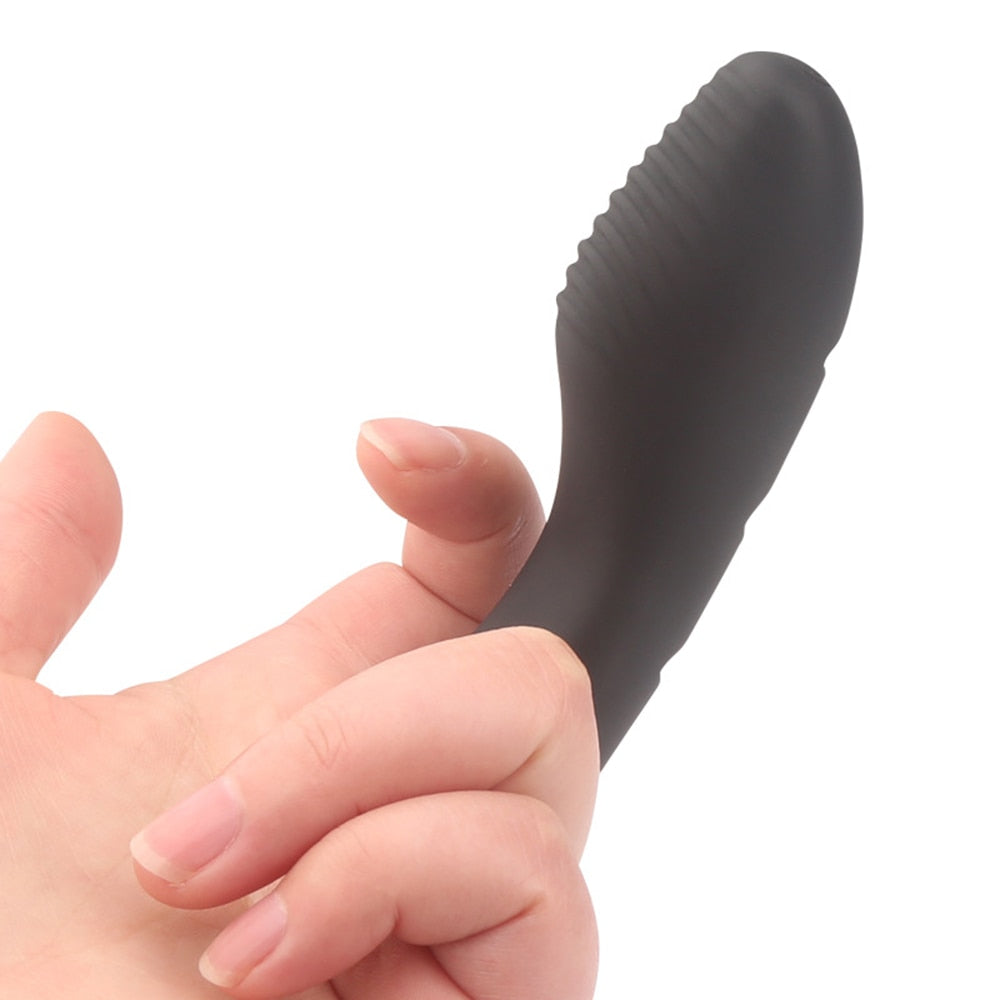
A perfect sextoy to help you practice edging for women are
and for men, recommendations are
Why Do People Practice Edging?
People report different motivations, including:
- Becoming more aware of physical responses
- Exploring different levels of arousal
- Changing the pace of intimacy
- Learning what feels comfortable for them
- Improving communication with a partner
- Simply satisfying curiosity
Research specifically on edging is limited, so experiences and perceived benefits differ from person to person.
Is Edging Safe?
For most healthy adults, edging is generally considered a personal sexual practice rather than a medical treatment.
However, it's important to:
- Listen to your body.
- Stop if you experience pain or significant discomfort.
- Avoid forcing yourself to continue if it no longer feels enjoyable.
- Speak with a healthcare professional if you experience persistent pain, urinary symptoms, or concerns about sexual function.
Common Myths About Edging
Myth: Everyone should practice edging.
False. It's a personal preference. Some people enjoy it, while others don't.
Myth: Edging guarantees better sex.
There isn't strong scientific evidence that edging consistently improves sexual experiences for everyone. Individual experiences vary.
Myth: Edging is dangerous.
For most healthy adults, edging itself is not generally considered harmful. However, comfort, communication, and paying attention to your body's signals remain important.
Frequently Asked Questions
How long can I edge for?
There isn't a medically established "ideal" amount of time. Some people pause only briefly, while others repeat the process over a longer period. Rather than aiming for a specific duration, it's more important to pay attention to your comfort. If you experience pain, numbness, or significant discomfort, it's a good idea to stop.
Why does edging feel good for some people?
Some people report that gradually building arousal and varying the pace can make them feel more aware of their body's responses. Experiences differ widely, and what feels enjoyable for one person may not for another.
What happens with sperm when you edge?
If ejaculation does not occur, semen is generally not released. Eventually, sperm that are not ejaculated are naturally broken down and reabsorbed by the body over time. This is a normal biological process.
Is edging for two hours healthy?
There isn't a recommended target duration. Spending an extended period edging may be uncomfortable for some people. If you experience pain, swelling, or other concerning symptoms, you should stop and, if symptoms persist, consult a healthcare professional.
Is it okay to edge but not finish?
For many healthy adults, choosing not to orgasm occasionally is not considered harmful. People have different preferences and experiences. If avoiding orgasm causes distress or persistent discomfort, discussing it with a healthcare professional may be helpful.
How long should a guy realistically last?
There isn't a universal "normal" time. Sexual experiences vary widely between individuals and couples. Rather than focusing on a specific number of minutes, many experts emphasize communication, mutual comfort, and satisfaction over duration.
Can a man feel when a woman has an orgasm?
Some people notice physical changes such as muscle contractions or changes in breathing, while others may not. There is no reliable physical sign that is present in every person, so open communication is generally the best way to understand a partner's experience.
Does age determine sexual satisfaction?
No. There isn't an age at which someone is "best" in bed. Sexual satisfaction is influenced by many factors, including communication, mutual respect, comfort, consent, emotional connection, and individual preferences not age alone.
What contributes to sexual pleasure?
Sexual pleasure varies greatly from person to person. Factors such as communication, trust, relaxation, understanding personal preferences, and paying attention to a partner's comfort often play a significant role.
Potential Benefits People Report
Although scientific research specifically on edging is limited, some people say they use the practice to:
- Better understand their body's responses
- Explore different levels of arousal
- Slow down and be more mindful during intimacy
- Improve communication with a partner
- Experiment with pacing
There are a few sex toys that can help you practice and master the act of edging, a few recommendations are ejaculation delay trainer for men, and the rabbit cum vibrator for women
Are There Any Risks?
Edging isn't appropriate for everyone. Some people may find it frustrating or uncomfortable.
You should stop if you experience:
- Pain
- Significant discomfort
- Swelling
- Persistent urinary symptoms
- Emotional distress related to the practice
If symptoms continue after stopping, seek advice from a qualified healthcare professional.
Tips for Beginners
If someone chooses to explore edging, these general tips may help:
- Go slowly.
- Pay attention to your body's signals.
- Avoid setting unrealistic expectations.
- Communicate openly with your partner if practicing together.
- Stop if it becomes uncomfortable.
Remember that there is no "perfect" technique or timeline.
Conclusion
Edging is one of many ways people explore their own bodies and intimate experiences. While people describe a variety of personal reasons for trying it, there is limited scientific research on its specific effects. The most important considerations are comfort, consent, communication, and paying attention to your body's signals.
Whether you're simply curious or looking to understand the topic better, approaching it with accurate information and realistic expectations can help you make informed decisions.