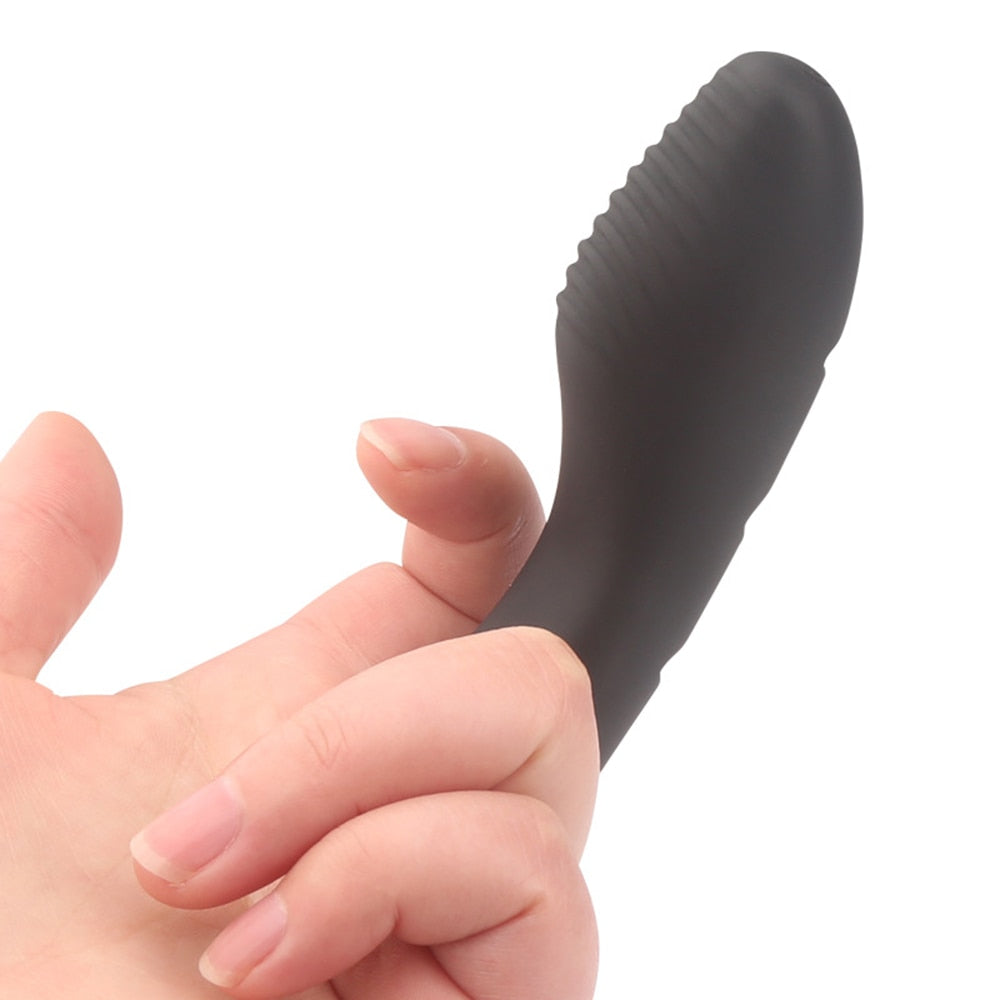


How to Choose a Vibrator That Doesn’t Feel Like a Power Tool
Send this to someone
A vibrator does not need to sound intimidating, have dozens of confusing functions or put maximum intensity ahead of everything else. If you want a device that feels manageable, the useful question is not “Which one is strongest?” It is “Which one gives me the control and format I want?”
This guide covers adjustable settings, noise information, size, handling and control options. It also compares six products at Vibratoy, each linked once. The selections are based on published specifications, not hands-on testing. Vibratoy sells the featured products, and none is presented as universally gentle or independently verified as silent.
First, define what “too much” means to you
The power-tool comparison can describe several different frustrations: unwanted noise, abrupt intensity changes, a bulky handle or controls that make simple adjustments difficult. Separating those concerns helps you shop more precisely.
- If your concern is intensity, look for meaningful adjustment rather than only a long pattern list.
- If your concern is noise, ask how any noise claim was measured.
- If your concern is size or handling, check dimensions and weight.
- If your concern is complexity, compare the buttons, remote and app requirements.
A device can suit one of those preferences without meeting the others. Compact does not automatically mean quiet, and expensive does not automatically mean easy to control.
1. Check intensity adjustment, not just the number of modes
Modes, patterns and speeds are not always interchangeable terms. A pattern may describe changes in output over time, while a speed or intensity setting describes another form of adjustment.
Before buying, ask whether a device offers separate intensity control, preset patterns or both. Also ask how settings are changed and whether returning to a familiar setting is straightforward.
A specification saying “nine modes” does not tell you how its lowest setting will feel. No product in this guide can be declared gentle for everyone from the mode count alone.
2. Treat “quiet” as a claim to investigate
Words such as “silent,” “whisper-quiet” and “low noise” are not complete test reports. A listing may include a decibel figure without describing the measurement distance, setting or test conditions.
If sound is a deciding factor, ask for a demonstration or details of the test method. Do not compare isolated numbers as if every manufacturer used the same method.
Also distinguish sound from intensity. A lower advertised noise figure does not establish a gentler setting. A product can be described as quiet while still offering settings you do not personally prefer.
This article does not rank the featured products by measured noise because we have not independently tested them.
3. Compare size, shape and handling
Check dimensions rather than estimating from a photograph. Decide whether you prefer a compact format, a longer handle, flexible sections or a particular control layout.
Pay attention to where the buttons are located and whether you can comfortably identify them. If weight, grip or flexibility information is missing, ask for clarification before ordering.
There is no universal beginner size. Your preferences and the manufacturer’s intended-use instructions matter more than a category label.
4. Choose the control system you actually want
Physical buttons, a handheld remote and a smartphone app each add different requirements. A physical control may suit someone who wants fewer setup steps. App connectivity may suit someone who specifically wants software-based features.
If you choose an app-controlled product, confirm the app name, current phone compatibility and supported functions. A physical remote is not the same as internet-based control, and an app does not automatically offer every remote feature.
Before using a device, familiarize yourself with its power-off function. If another person will control it, agree on access and a clear way to stop.
Six options to compare by features, not hype
These products offer different control arrangements and design formats. They are not a tested “quietest” ranking. Use the details below to identify questions to ask and specifications to compare.
Orgasm Lounge Vibrator: adjustable suction settings
The Orgasm Lounge Vibrator listing specifies three suction modes, adjustable intensity and battery-powered operation.
Consider it if adjustment is a priority and you want to compare a suction-based format with vibration-focused devices. Confirm the control steps, required battery type and lowest-setting details before buying.
Its name does not guarantee an outcome, and the available description does not establish a measured noise level.
App Remote Vibrator: multiple speeds and model-specific controls
The App Remote Vibrator lists eight vibration speeds, USB charging and approximate dimensions of 98 mm by 36 mm. Its description distinguishes app-controlled and remote-controlled versions.
Confirm which version you are ordering. A feature described for one version should not be assumed to apply to every option.
The listing gives a maximum noise figure of 50 dB, but does not provide the measurement conditions. Treat that as a product-listing claim, not an independently verified guarantee or a directly comparable test result.
Octopus Vibrator: flexible design and magnetic charging
The Octopus Vibrator lists nine vibration modes, flexible tips and magnetic charging.
Its distinctive format is relevant if you want to compare shape and flexibility rather than choose only by power. Check dimensions, control placement and intended use to see whether the design matches your preferences.
The description calls it quiet, but does not supply a measured noise result. Confirm sound performance separately if that is your main requirement.
Queen of Rabbit's Vibrator: separate vibration and motion categories
The Queen of Rabbit's Vibrator lists ten vibration modes and ten telescopic modes, USB charging and dimensions of 220 mm by 30 mm.
Consider it when you specifically want a multifunction rabbit-style option. Ask how the two setting categories are controlled and whether functions can be adjusted independently.
A larger feature list is not automatically the answer to wanting a simpler experience. If extra motion settings are not a priority, they may add complexity you do not need.
Suckaholic Vibrator: multiple function categories
The Suckaholic Vibrator lists ten tongue-flapping modes and ten vibration modes, with USB charging.
Review it if those particular functions interest you. Confirm the exact controls and dimensions before choosing it based on the number of modes.
The listing uses “low noise” language without a documented test method. It should not be presented as proven quieter than the other products here.
Magic Flamingo Max Sensing Vibrator: squeeze-responsive control
The Magic Flamingo Max Sensing Vibrator description identifies squeeze-responsive vibration and Magic Motion app control.
This offers a different control concept to investigate if button-based adjustment is not your preference. Confirm how the sensing feature responds, how it can be disabled or adjusted, and which app features your phone supports.
The description does not establish its minimum intensity, noise level or suitability for everyone. Ask for those details rather than inferring them from the sensing feature.
What to ask before you buy
A short question list can be more useful than another “most powerful” recommendation:
- Can intensity be adjusted separately from patterns?
- What does the lowest setting do?
- How do I turn it off and return to a familiar setting?
- Are the dimensions and weight available?
- Does a noise figure have a documented test method?
- Which controls and accessories come with the selected version?
- What are the charging, cleaning and storage requirements?
- If there is an app, is it currently compatible with my phone?
Use each product link above to check current pricing and available options. Prices are not hard-coded here, and price alone does not establish comfort or noise performance.
Care and comfort should not be afterthoughts
Follow the manufacturer’s instructions for the exact device, including compatible lubricants and cleaning methods. Do not assume a remote or charging component has the same water resistance as the main device.
Do not continue using a device that is uncomfortable or damaged. For persistent or recurring pain, numbness, irritation or another concerning symptom, seek healthcare advice rather than assuming a quieter or different product will solve it.
Frequently asked questions
What is the quietest vibrator?
We cannot establish a winner without comparable testing. Ask about the test conditions behind sound claims and choose based on verified information rather than a “silent” label alone.
Is a smaller vibrator always gentler?
No. Size does not establish the lowest setting or how a device will feel to you.
Do more speeds mean better control?
They may offer more adjustment, but the control layout and actual differences between settings matter too. Confirm how the device works.
Should I choose an expensive model?
Choose the features that match your preferences. Higher pricing does not establish a better fit, gentler settings or lower noise.
Are suction and vibration the same?
They describe different feature categories. A product can combine them, but settings and control requirements should be checked individually.
The takeaway: prioritize control over maximum power
The right purchase starts with knowing what you want to avoid and what you want to adjust. Compare intensity controls, sound evidence, dimensions and setup requirements rather than relying on dramatic product names.
Shortlist the linked options that match your priorities, check current product details and ask about missing specifications. A useful device is one whose features fit your preferences, not simply the one making the biggest power claim.